



Clepsydra Water Clock - Waldpenias Museum
It is a timing tool invented in ancient Greece that measures time by measuring the flow of water. A ceramic water clock from the Iberian period has been discovered at the Cerro de las Cabezas archaeological site in Vald é Penias, Castile La Mancha region, Spain. This ceramic decoration features ribbon, circular, and seal patterns, and was made during the Iron Age from the 4th to 3rd centuries BC. At present, it is collected in the Valdepernias Museum and is an important physical material for studying ancient Iberian culture and craftsmanship. The Cerro de las Cabezas site is an important archaeological site for understanding the life and social structure of the Iberian people.

Iberian Colored Pottery Valdepenas Museum
It is an important discovery at the Vald é Penias archaeological site in the Castile La Mancha region of Spain. Made in the Iron Age, approximately from the 4th century BC to the 3rd century BC, it is known for its decorative patterns of bands, circles, and seals. These painted pottery not only showcase the daily life of Iberians, but also reflect their artistic aesthetics and cultural characteristics. The pattern design is diverse, including horizontal lines, geometric shapes, and animal images, with bright colors and exquisite craftsmanship. Collected in the Valdepernias Museum, it provides valuable physical materials for studying the lifestyle, religious beliefs, and social structures of ancient Iberians

Popular Models


Honey Badger (3D animated model)
192 View

Guinea fowl (3D animated model)
163 View

Wild Goose (3D animated model)
185 View

Red Fox (3D animated model)
153 View
Random Model



Sickle Dragon (3D animated model)
194 View

KAMAZ heavy truck chassis (tractor)
485 View
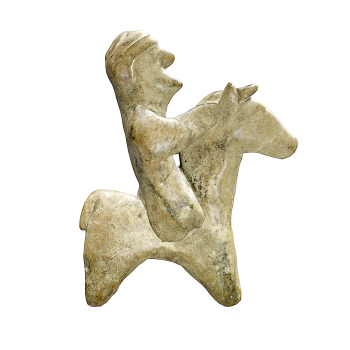

clothes on the clothesline
494 View
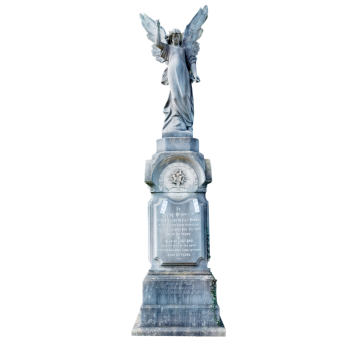
Arnos Valley Cemetery-Angel Statue
284 View

Traffic cone (ice cream cone)
539 View

Flake Dragon (3D animated model)
149 View

Sliced kiwi fruit
135 View